

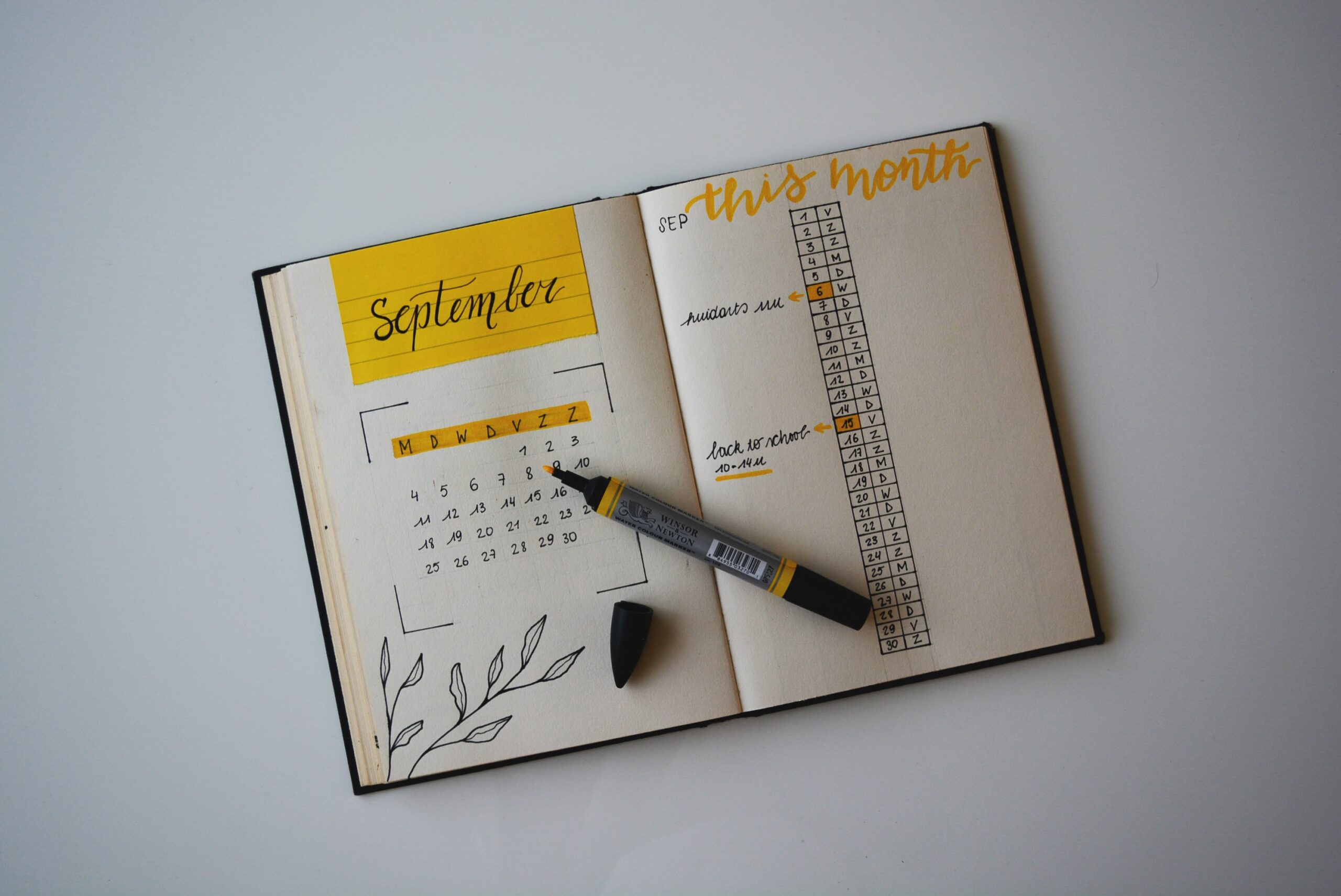
Anxiety when out of routine
For most of us it is lovely to have a break and a long weekend bank holiday is amazing. Although unfortunately, not everyone can truly enjoy it. Some people can really struggle if they break routine, it can significantly increase anxiety. For them, a lack of structure and routine can exacerbate feelings of distress and they tend to pay more attention to the source of their problems.
Not having a schedule can really be more anxiety provoking for those people and could be quite overwhelming. It is not unusual for clients to contact me at weekends, mostly Sundays, that could be due to the boredom of Sunday, lack of their weekday schedule or could also be the anxiety of pre-Monday, overthinking all the things they may have to do.
Research has consistently shown that routines can play an important role in mental health, finding that routines can help people better manage stress and anxiety. There are certainly great benefits of having a routine, that can help you with:
- Lowering stress levels
- Forming good daily habits
- Taking better care of your health (physical and mental health)
- Feeling more productive
- Feeling more focused
- Time management
- Reducing the tendency to procrastinate
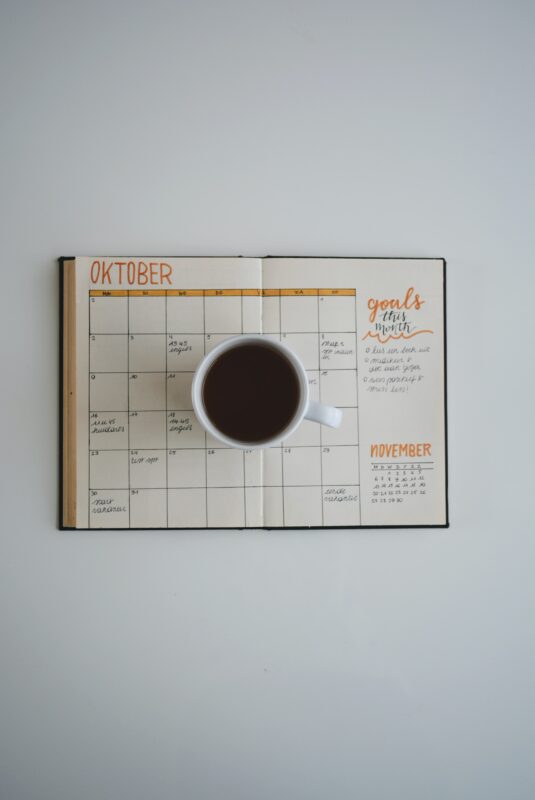
When we think about routine, we tend to think about working days and some people just don’t know what to do when not working. There is plenty of evidence that working overtime reduces your productivity, makes you feel and be less healthy. It also makes you more likely to develop a whole range of diseases. Nobody should work non-stop. Workaholics or people suffering from anxiety might see time off as a real torture, as they can’t deal with it well, feeling lost and down.
Nonetheless, taking breaks are beneficial as well:
- Taking breaks allows your brain and body to get the necessary recharge it needs to keep going
- Breaks can improve our mood and well-being, if using the adaptive coping strategies
- A rested body and mind will allow you to improve your performance and be more productive as result can restore your motivation
- Fuel your creativity
- Improve your memory and learning
The aim of this article is to help you to understand that it is ok if you feel better having a routine, but accept that it is healthy to take a break and rest as well. In this case, there are a few things you can do to help yourself during weekends or holidays.
There are some suggestions:
- You can plan, even if it is for a day, weekend or long holiday time.
- Make a schedule for your daily activities: the schedule can be done weekly or daily for the following day. This way you will know how to start your day and will not feel lost. You may also find it easier to leave your bed, as you know the things you have to do.
- Starting the day with a few minutes of a breathing technique will help you.
- Eating is a source of energy and may help your mood, keeping you hydrated too.
- Do activities that you enjoy, hobbies, new projects, DIY, painting, colouring, drawing, gardening, cooking, volunteering, writing, calligraphy, dancing, learn a language, photography, teach your pet new tricks or any other things of your interest.
“Accept that it is healthy to take a break and rest as well”
The list is endless, be creative, find things you are interested in or find new things you would like to try.
- Some physical activity, at home or at a gym/club or just going for a walk.
- If you have the need to feel productive, include one or two things to the schedule that relates to subject of productivity, although remember to take it easy! It could be something such as reading an article or watching a short video about it, something that is light and is not work, but still feels useful.
- Contact your family and friends, in person/virtual or telephone.
With those simple things to fill up your schedule it creates a new routine for your time off, you may feel more organized, still productive, less anxious and able to occupy your day in a healthy way.
These ideas for scheduling your days off or holiday time, can also be used for students that feel anxious during wintertime festivities for example (Christmas/News years), half term break, holidays and weekends/bank holidays, if they still feel the need to study and prepare themselves for exams or assignments to do. It works very well to combine some hours of study between the other activities mentioned above.
I have received great feedback from clients after they have been able to finish an important and extensive assignment using this new introduced routine of studies during the holiday time. Use the time off in your favour, not against you.